
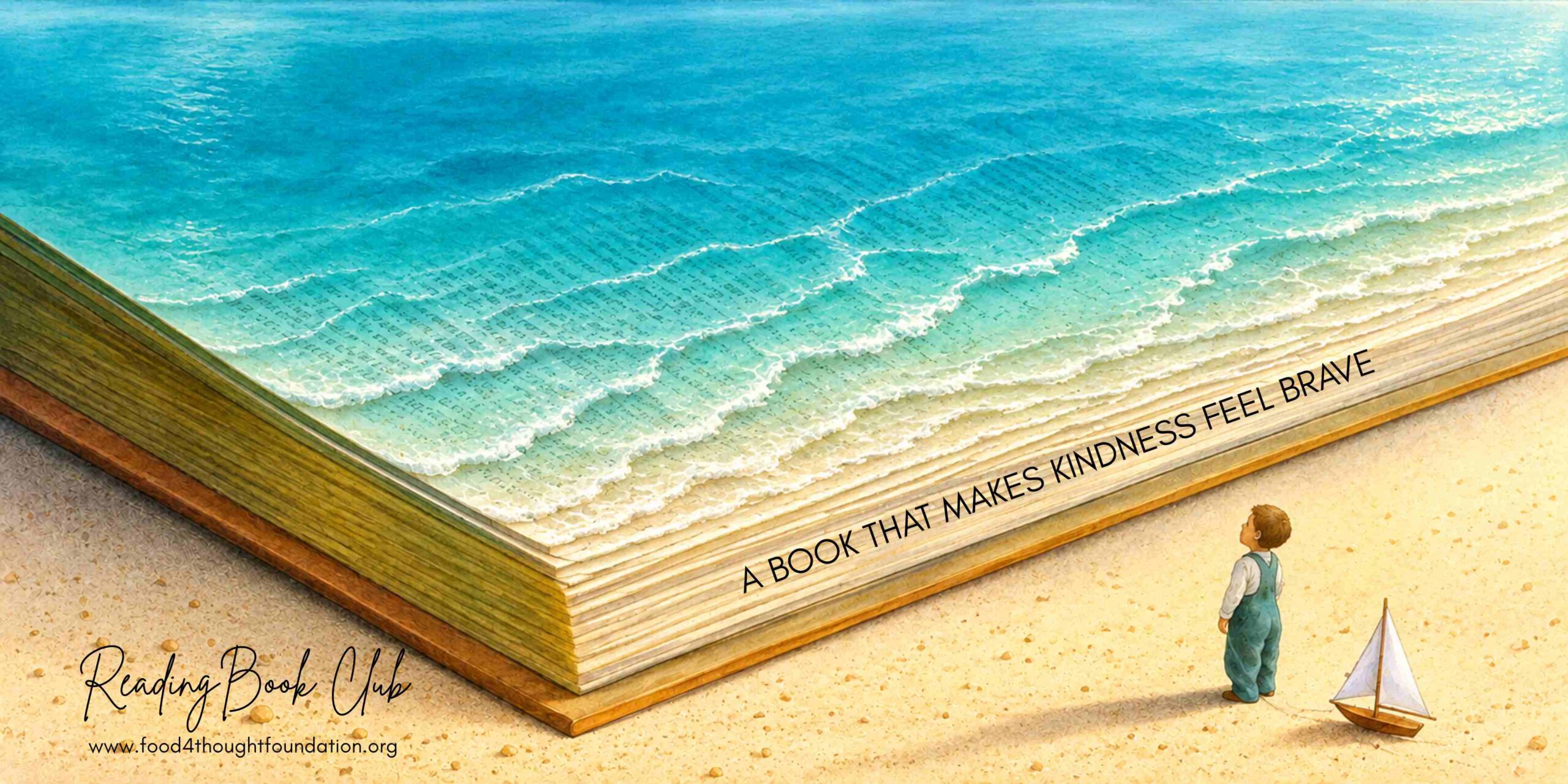
Some books entertain you. Some make you think. Wonder does something a little more difficult: it makes you notice how you treat people.
At the centre of the story is August Pullman, or Auggie, a ten-year-old boy who was born with a facial difference. After years of being homeschooled, Auggie enters a regular school for the first time. Suddenly, he has to deal with curious stares, whispered comments, awkward questions, bullies and, thankfully, a few genuine friends.
What makes Wonder memorable is that Auggie is never presented simply as “the boy who looks different.” He is funny, intelligent, impatient, frightened, stubborn and sometimes annoyed with the people around him. In other words, he feels real.
The story also shifts between different characters. We see Auggie not only through his own eyes but through the experiences of his sister, friends and classmates. That changes the way we understand events. A person who seems cruel in one chapter may appear insecure in another. Someone who seems distant may be struggling with problems of their own.
That does not excuse unkind behaviour. Instead, it reminds us that people are usually more complicated than the role we give them.
My favourite idea from the book is the suggestion that when we have a choice between proving ourselves right and choosing kindness, kindness deserves serious consideration. It sounds simple, but the story shows how difficult that choice can be when friendship, popularity and fear are involved.
One of the strongest parts of Wonder is that kindness is not shown as weakness. Standing beside someone who is being excluded can cost you friends. Refusing to laugh at a cruel joke can make you the odd one out. Saying hello to a person everyone else avoids may require more courage than following the crowd.
That is why I think Wonder deserves the hype.
It is not memorable because it tells us to “be nice.” We have all heard that before. It is memorable because it makes us ask a more uncomfortable question:
What do I do when kindness costs me something?
And perhaps that is the kind of question worth carrying long after a book is closed.