Schools often tell students that reading is important.
Then they give us almost no time to actually do it.
Our school days are filled with lessons, assignments, tests, projects, activities and deadlines. Reading often survives only as another instruction:
“Read these pages.”
“Finish this chapter.”
“Answer these questions.”
That may improve comprehension skills, but it does not always create readers.
There is a difference between learning how to read and wanting to read.
Think about how people discover music. Nobody develops a love for music because someone gives them a worksheet after every song. They listen. They explore. They replay what they like. They discover artists by accident.
Books need some of that freedom too.
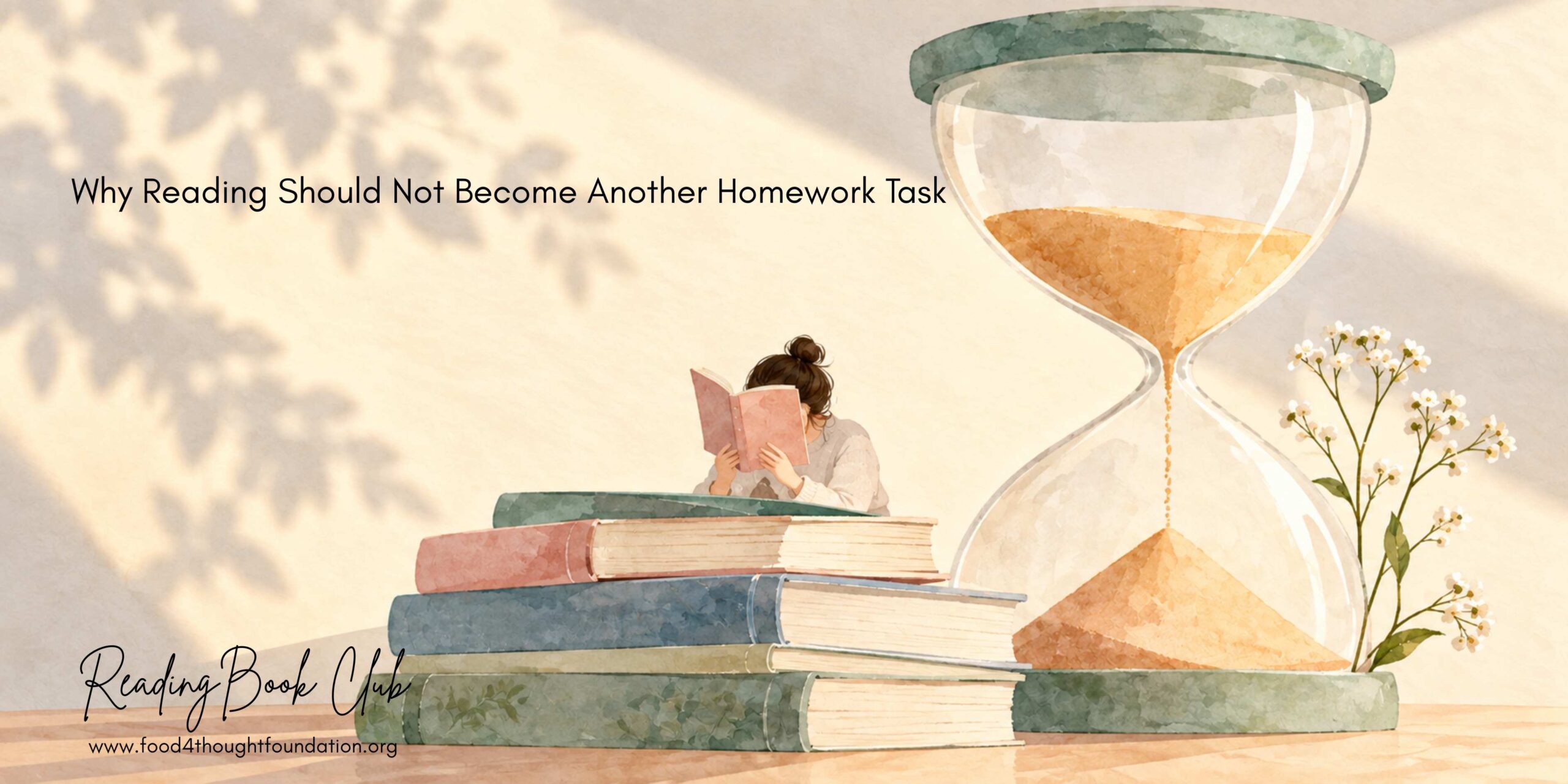
Imagine if schools protected even twenty minutes of quiet reading time several times a week. Students could select books based on genuine interest: mystery, mythology, sport, science fiction, biographies, comics, history, fantasy or anything appropriate for school.
No test immediately afterwards.
No compulsory five-paragraph analysis.
Just reading.
Some may argue that students would waste the time.
Perhaps some would, especially at first. But students also need the opportunity to discover what kind of readers they are.
A student who says, “I hate reading,” may really mean, “I hate the books I have always been told to read.”
Another problem is that reading is often treated as productive only when the book is difficult.
Why?
A graphic novel can introduce someone to history. A sports biography can lead to an interest in psychology. A fantasy series can develop vocabulary, imagination and the ability to follow complicated storylines.
A “serious reader” does not have to look the same for everyone.
This does not mean schools should abandon literature lessons. Studying great writing teaches us how language works and exposes us to ideas we might never choose on our own.
But analysis should not consume the entire reading experience.
Sometimes a book deserves to be read simply because a reader cannot wait to turn the page.
Libraries can play an important role here too. A good school library should not feel like a storeroom for books. It should feel like an invitation.
Display new books. Let students recommend titles. Create short peer reviews. Hold book swaps. Allow students to abandon a book they genuinely dislike and choose another.
Most importantly, make reading visible as something people actually enjoy.
We constantly say that young people spend too much time scrolling.
If we want books to compete for their attention, perhaps the solution is not another lecture about why reading matters.
Maybe we should start by giving them time, choice and a good book.